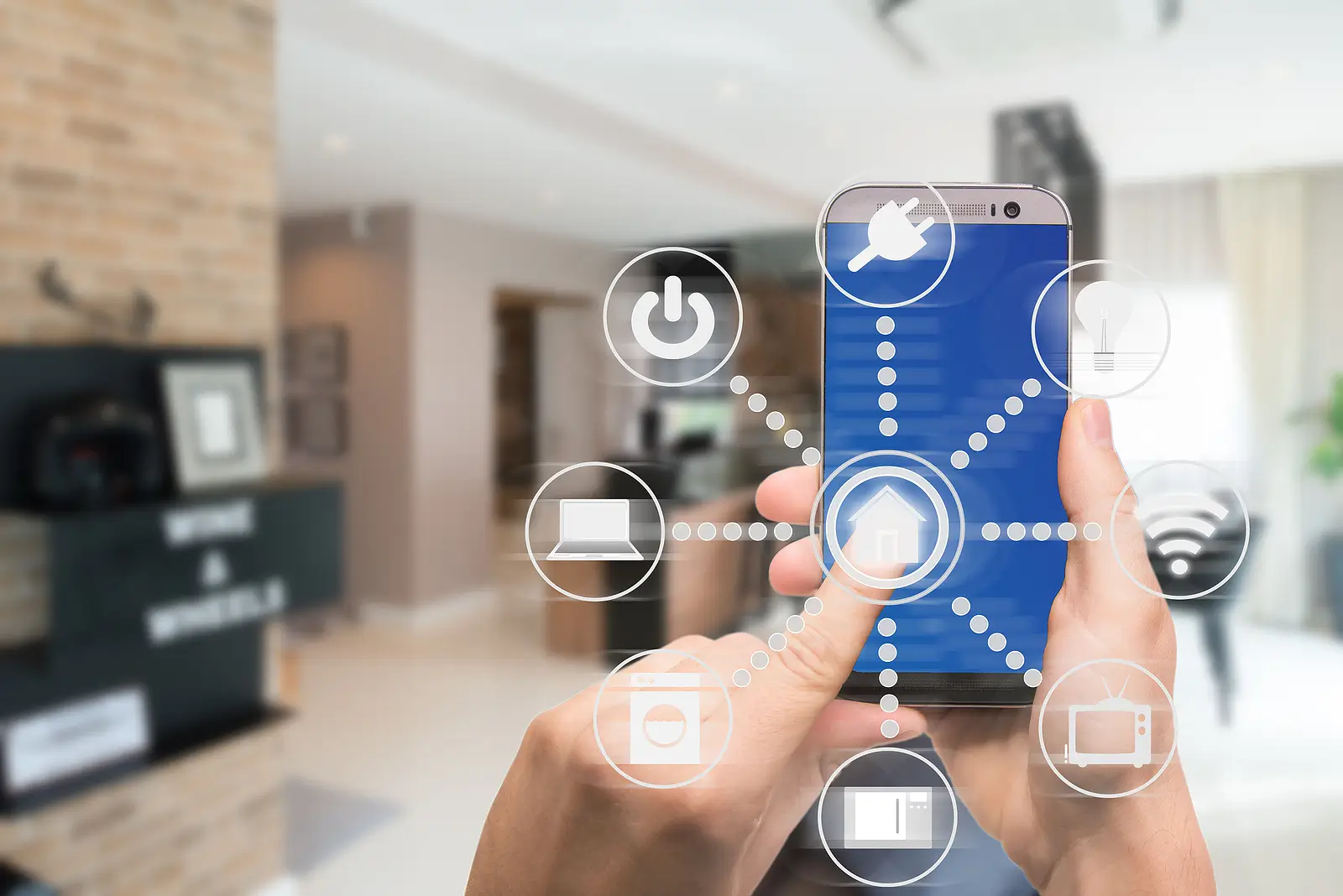
Smart locks, video doorbells, and app-controlled thermostats have gone from novelty upgrades to something renters increasingly expect. For landlords, that creates a real opportunity, but also a real question: which devices are worth the investment, and where does helpful technology cross into a privacy problem you didn't see coming? Arizona has specific rules about recording and interior surveillance that make this more than a simple cost-benefit decision.
Here's how to weigh the upside against the real costs, what Arizona law actually allows, and how to put the right language in your lease before you install anything.
Key Takeaways
- Smart locks, thermostats, and leak detectors tend to deliver the strongest return, and smart-equipped rentals in competitive markets can support meaningfully higher rent.
- A full smart home package for a single-family rental typically costs $1,000 to $3,000, so treat it as an investment with a payback period rather than a blanket upgrade.
- Arizona is a one-party consent state for audio recording, but that doesn't give landlords blanket rights to record inside a tenant's private living space.
- Installing or adjusting smart devices in an occupied unit may constitute an entry under Arizona's landlord-tenant law, meaning the standard notice requirements still apply.
- Every installed device should be disclosed in the lease, along with what data it collects and who can access it, before a tenant ever signs.
The Case for Smart Home Devices in a Rental
Smart locks, thermostats, and security systems consistently deliver the strongest return on investment among smart home upgrades for rental properties, since they address what tenants actually care about: convenience, security, and lower utility bills. In competitive markets, particularly ones that attract remote workers, seasonal residents, or professionals relocating for work, these features can support meaningfully higher rent and shorter vacancy periods.
Water leak detectors and smart plugs are smaller investments with an outsized payoff for landlords specifically, since catching a slow leak early can save thousands in water damage repairs. Smart locks also enable self-showings and contactless move-ins, which reduce the coordination time your team spends on vacant units between tenants.
The Real Costs and Downsides
A complete smart home package for a single-family rental typically runs $1,000 to $3,000 depending on how many devices you install and whether you choose a coordinated system versus standalone gadgets. That's a real upfront cost, and it's worth underwriting against a realistic payback period, generally two to four years, rather than assuming the investment pays for itself immediately.
Smart devices also come with ongoing responsibilities that traditional hardware doesn't: firmware updates, app troubleshooting, battery replacement, and occasional connectivity issues that a tenant will expect you to resolve quickly. If you don't have the internal capacity to support that, factor in the cost of a vendor who does.
The Legal Line Landlords in Arizona Need to Know
Arizona is a one-party consent state for audio recording under A.R.S. § 13-3005, meaning either party to a conversation can record it without notifying the other person. That rule covers conversations you're actually part of. It does not give you the right to record conversations between other people, including tenants and their guests, inside or immediately outside their own unit.
Interior cameras are where landlords face the greatest legal risk. Arizona law strongly protects a tenant's reasonable expectation of privacy in their living space, and installing a camera in a private area, such as a bedroom or bathroom, without consent can constitute a felony under Arizona's voyeurism statute. Exterior cameras covering entrances, driveways, and common areas are generally permitted, provided they're disclosed and not angled to capture the interior of a private residence.
There's also a less obvious wrinkle specific to smart tech: installing, inspecting, or adjusting a device inside an occupied rental unit, including thermostats and smart locks, can qualify as an entry under the Arizona Residential Landlord and Tenant Act. That means the usual notice and timing rules still apply even for something as routine as a firmware update, so build that into your maintenance planning rather than assuming remote access exempts you from entry requirements.
Should You Allow Tenant-Installed Devices?
Many tenants want to bring their own smart devices, whether that's a video doorbell, a smart speaker, or a plug-in camera. This can work well, but it deserves its own written policy rather than a verbal yes. Require that any tenant-installed device be genuinely removable without damage, prohibit hardwired or drilled-in installations without written approval, and make clear that the tenant is responsible for returning the property to its original condition at move-out.
It's also worth requiring tenants to disclose any device that records audio or video, particularly if it faces common areas, shared walls, or neighboring units, since that can create the same one-party consent and privacy issues for you as the property owner, even if you didn't install the device yourself.
Lease Tips: How to Document Smart Home Devices the Right Way
- List every landlord-installed smart device by name and location directly in the lease, not in a separate document that's easy to lose track of.
- Describe what data each device collects, whether that's entry logs, video, audio, or energy usage, and who has access to that data.
- Get written informed consent for any device that captures audio, video, or occupancy patterns, rather than assuming disclosure alone is sufficient.
- Include a clear policy for tenant-installed devices that covers removability, installation restrictions, and disclosure requirements for any device that records audio or video.
- Address who's responsible for maintenance, battery replacement, and troubleshooting on landlord-installed devices, and how much notice you'll provide before accessing or adjusting them.
Weighing the Decision: Is Smart Tech Right for Your Rental?
The benefits are real: stronger tenant appeal, faster turnovers, early detection of costly problems like leaks, and a genuine edge in a competitive rental market. The trade-offs are just as real: upfront cost, ongoing tech support, and a legal landscape in Arizona that requires careful attention to anything that records audio, video, or occupancy data inside a tenant's private space.
For most landlords, the right approach is starting with the highest-return, lowest-risk devices, smart locks and thermostats, disclosed clearly in the lease, and being genuinely cautious about anything with a camera or microphone facing an interior space. If you're not sure where a specific device falls, our owner resources team can walk you through it before you install anything.
Frequently Asked Questions
Can I install a security camera inside my Arizona rental unit?
Only with the tenant's clear, informed consent, and never in areas such as bedrooms or bathrooms, where they have a strong expectation of privacy. Exterior cameras covering entrances and common areas are generally permitted without the same restrictions, as long as they're disclosed.
Does Arizona's one-party consent law let me record my tenants without telling them?
Only for conversations you're personally part of. It does not permit recording conversations between your tenant and other people, such as guests, without the consent of at least one participant in the conversation.
Do I need to give notice before remotely adjusting a smart thermostat in an occupied unit?
Physically installing, inspecting, or adjusting a device inside the unit can count as an entry under Arizona's landlord-tenant law, which means standard notice requirements generally apply, even for something that seems minor.
Should I let tenants install their own smart devices?
It can work well with a clear written policy covering removability, installation restrictions, and disclosure of any device that records audio or video. Without that policy in place, you're relying on a verbal agreement that's hard to enforce later.
Are smart home upgrades worth the cost for a single rental property?
Often, yes, particularly smart locks and thermostats, which tend to have the strongest return relative to cost. A full system typically runs $1,000 to $3,000, so it's worth underwriting against a two- to four-year payback period rather than installing everything at once.
Let Us Help You Add Technology the Right Way
Smart home upgrades can genuinely strengthen a rental property, but getting the legal details right protects you as much as it protects your tenants. Arizona Living Rentals and Property Management helps owners across Lake Havasu City and the surrounding area make these decisions with real local knowledge of what Arizona law allows. If you're considering smart devices for your rental, reach out through our property management services page, and we'll help you think it through.