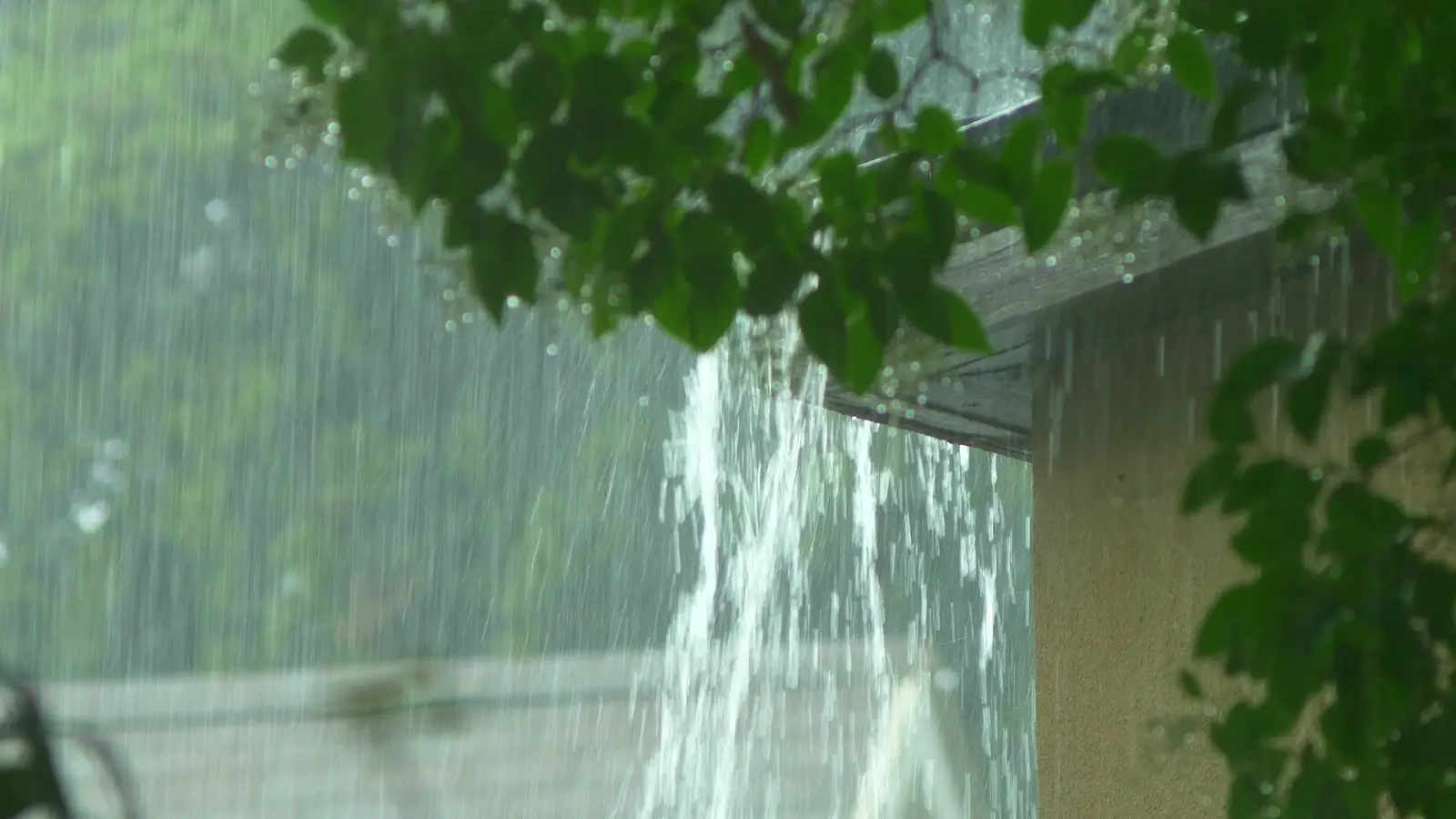
In Arizona, summer makes an entrance. Clear skies can quickly give way to powerful winds, sudden downpours, and dramatic lightning displays that test even the most well-maintained rental properties. For landlords and real estate investors, monsoon season isn’t just another weather pattern; it’s a critical period that demands preparation, foresight, and a solid plan.
These seasonal storms bring more than rain. They introduce risks like roof damage, clogged drainage systems, and unexpected maintenance issues that can disrupt both your operations and your tenants’ comfort. Preparing early helps you stay in control, protect your investment, and maintain positive tenant relationships.
Key Takeaways
- Routine roof inspections reduce the risk of leaks and structural damage
- Proper drainage systems help prevent flooding and foundation issues
- Emergency notices improve tenant safety and communication
- Preventative maintenance saves money compared to reactive repairs
- Professional management support can simplify monsoon readiness
Understanding the Real Impact of Monsoon Season
Arizona’s monsoon season, typically spanning June through September, is known for its intensity. Instead of steady rainfall, storms arrive quickly with strong winds and heavy bursts of rain. These conditions can expose vulnerabilities in rental properties that may not be obvious during drier months.
For property owners, this means increased maintenance demands and a higher risk of unexpected repairs. For tenants, it can mean safety concerns, disruptions, and uncertainty if clear guidance isn’t provided.
The key to navigating this season successfully lies in preparation, not just reacting when problems arise.
Roof Maintenance: Protecting What’s Overhead
Your roof plays a critical role in defending your property against monsoon conditions. High winds can loosen materials, while heavy rain can exploit even the smallest weaknesses.
Before the season begins, it’s important to conduct a detailed inspection. Focus on:
- Broken or missing tiles
- Worn-out sealants around vents and skylights
- Loose flashing
- Signs of previous water damage
Arizona homes often feature tile roofs, which are durable but not immune to cracking or shifting. Flat roofs, also common in the region, require special attention because they can hold standing water if drainage isn’t working properly.
Addressing minor issues early can prevent larger problems such as leaks, interior damage, and mold growth. Investing in routine inspections not only protects your property but also reduces long-term costs.
Drainage Systems: Managing Water Flow Effectively
When heavy rain hits, proper drainage becomes essential. Without it, water can accumulate quickly, leading to flooding, erosion, and even structural damage.
Start with your gutters and downspouts. These should be:
- Clear of debris
- Properly aligned
- Securely attached
Clogged or damaged gutters can cause water to overflow and collect near the foundation, increasing the risk of long-term damage.
Beyond gutters, evaluate how water moves across your property. Poor grading can cause water to flow toward the building instead of away from it. In some cases, installing additional drainage solutions such as French drains or splash blocks can make a significant difference.
Landscaping also plays a role. Overgrown plants or poorly placed features can obstruct water flow, creating unexpected pooling during storms.
Emergency Notices: Clear Communication That Matters
Preparation isn’t just about the physical property; it’s also about how you communicate with your tenants.
Providing clear emergency notices before the monsoon season helps tenants understand what to expect and how to respond. This reduces confusion and ensures quicker action when issues arise.
Effective emergency notices should include:
- Steps tenants should take during storms
- Instructions for reporting leaks or damage
- Emergency contact information
- Guidance for power outages or flooding
Using multiple communication channels, such as email, text alerts, and tenant portals, ensures that important information reaches everyone.
Strong communication builds trust. When tenants feel informed and supported, they’re more likely to cooperate and report issues promptly.
Weighing Costs Against Long-Term Value
Monsoon preparation does require an upfront investment. Inspections, minor repairs, and system upgrades all come with costs. However, these expenses are often far lower than the cost of emergency repairs after a storm.
Water damage, for example, can lead to:
- Interior repairs
- Mold remediation
- Temporary relocation for tenants
- Lost rental income
By addressing potential issues early, you reduce the likelihood of these costly outcomes.
From an investment perspective, preventative maintenance helps preserve property value and ensures consistent cash flow. It also minimizes the risk of vacancies due to unresolved maintenance issues.
Encouraging Tenant Participation
Tenants play an important role in monsoon preparedness. While landlords handle structural maintenance, tenants can help prevent damage by staying alert and responsive.
Simple actions such as reporting leaks immediately or securing outdoor furniture can make a noticeable difference.
To encourage participation:
- Provide clear instructions ahead of time
- Make it easy to report maintenance issues
- Respond quickly to tenant concerns
A collaborative approach benefits everyone. It helps protect the property while also creating a positive rental experience.
Smart Upgrades That Strengthen Protection
Not all improvements require major renovations. Some small, cost-effective upgrades can significantly improve your property’s resilience during monsoon season.
Consider:
- Installing gutter guards to reduce debris buildup
- Sealing windows and doors to prevent water intrusion
- Trimming nearby trees to reduce the risk of falling branches
- Adding drainage extensions to direct water away from the foundation
These upgrades are relatively simple but can help prevent larger issues during severe weather.
Frequently Asked Questions About Monsoon Preparation
Q: When should I begin preparing my rental property for monsoon season?
A: Preparation should ideally start in April or May. This allows enough time to complete inspections and address any repairs before storms begin.
Q: How often should roofs be inspected?
A: At least once a year, with additional checks after major storms or if the property has a history of issues.
Q: What is the most common cause of monsoon-related damage?
A: Poor drainage and roof vulnerabilities are the leading causes. Both can lead to water intrusion and costly repairs.
Q: Are tenants responsible for storm-related damage?
A: Tenants are typically responsible for reporting issues and taking basic precautions, while landlords handle structural maintenance. Lease agreements should clearly define these responsibilities.
Q: Can professional property managers assist with monsoon preparation?
A: Yes. Property management companies often handle inspections, maintenance coordination, and tenant communication, making the process more efficient.
Turn Preparation Into Peace of Mind
Getting ready for monsoon season is about more than avoiding damage; it’s about creating a smooth, stress-free experience for both property owners and tenants. With the right steps in place, you can reduce risks, protect your investment, and maintain strong tenant relationships throughout the season.
At Arizona Living Rentals, we help property owners stay ahead of seasonal challenges with proactive maintenance coordination, clear tenant communication, and reliable support. Whether you’re managing a single rental or a growing portfolio, having a knowledgeable team on your side can make all the difference.
Explore how we can support your property goals, schedule a free consultation, and discover smarter ways to manage your rentals with confidence.